
PyScript Project: Build a Full Data Dashboard (API + Pandas + Plot)
This is the project that ties all your PyScript skills together. In this guide, you’ll learn how to create a PyScript Data Dashboard. We will…
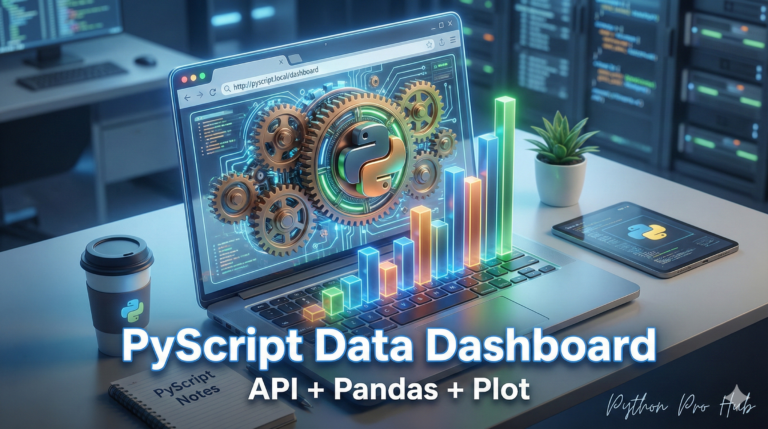
This is the project that ties all your PyScript skills together. In this guide, you’ll learn how to create a PyScript Data Dashboard. We will…
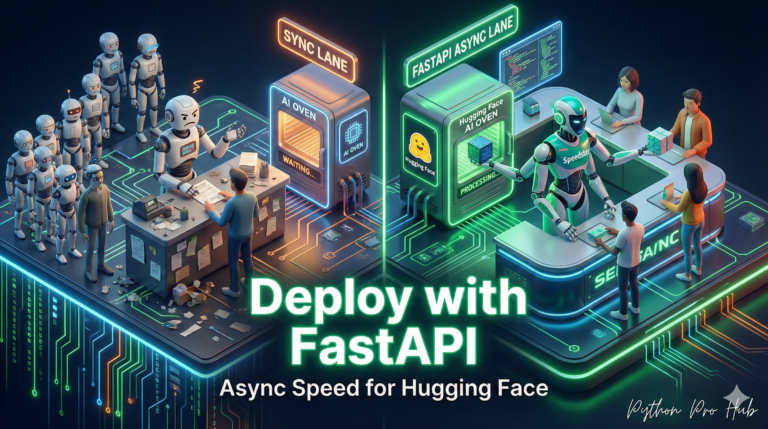
In our previous Flask project, we built an AI server. But it has a huge flaw: Flask is synchronous. If one user sends a request…
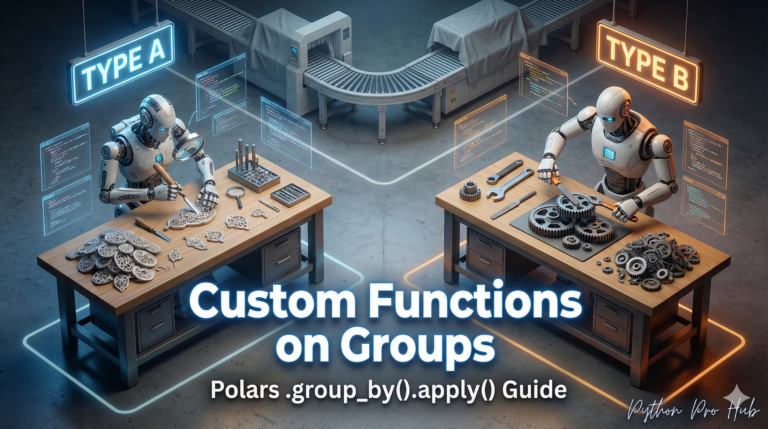
We know that .map_elements() is slow because it runs row-by-row. We know that .group_by().agg() is super fast, but it’s limited to simple functions (like sum,…
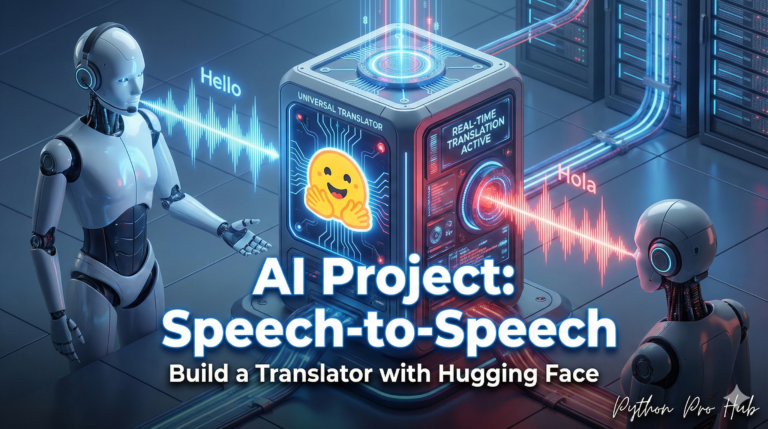
This is a true “2026 Vision” project. We will chain two Hugging Face models together to build a speech translator. This guide will take you…
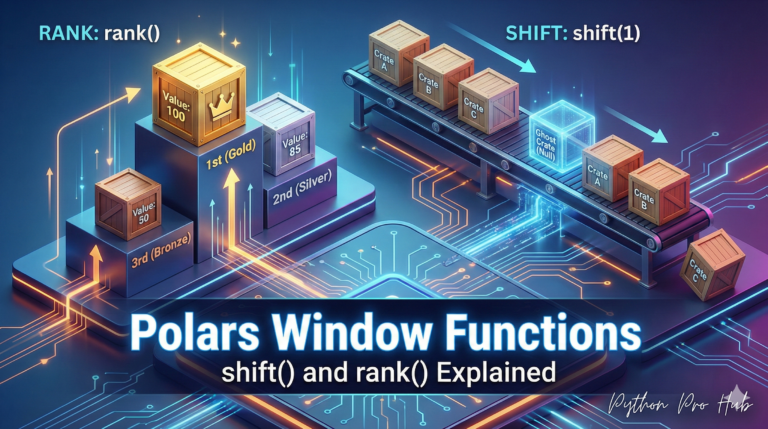
Today we’re covering two powerful Polars Expressions: shift and rank. These are essential for financial analysis, ranking, and finding trends. In this article you’ll learn…
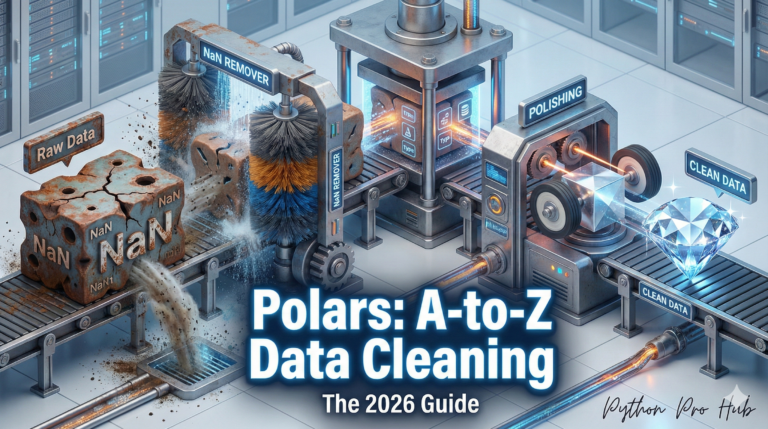
You’ve learned all the individual Polars methods. Now, let’s put them together in one “A-to-Z” project to clean a messy dataset and look at effective…
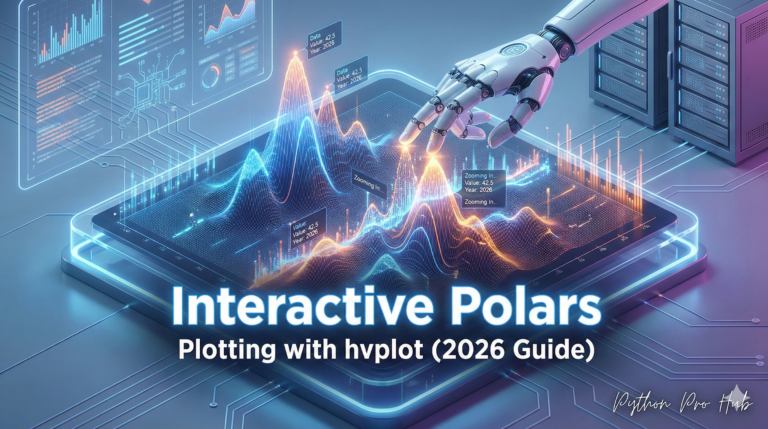
Matplotlib and Seaborn create static, non-interactive images. In 2026, data exploration is interactive. hvplot is a library that provides a .hvplot() method for Pandas and…
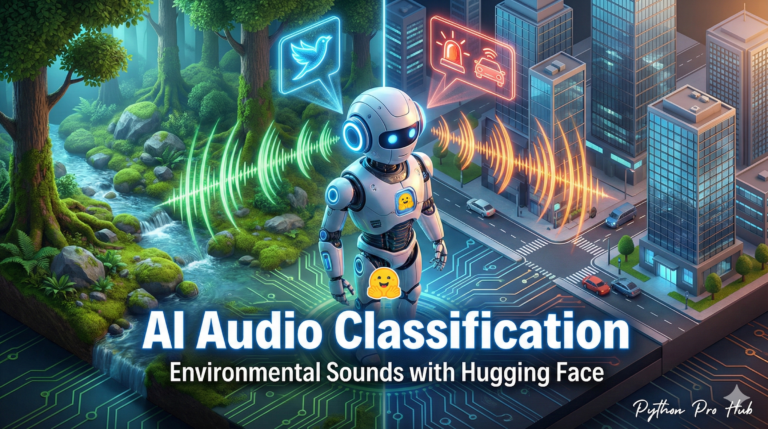
We’ve used Whisper to transcribe speech, but what if you just want to know what a sound is? Hugging Face Audio Classification is a powerful…
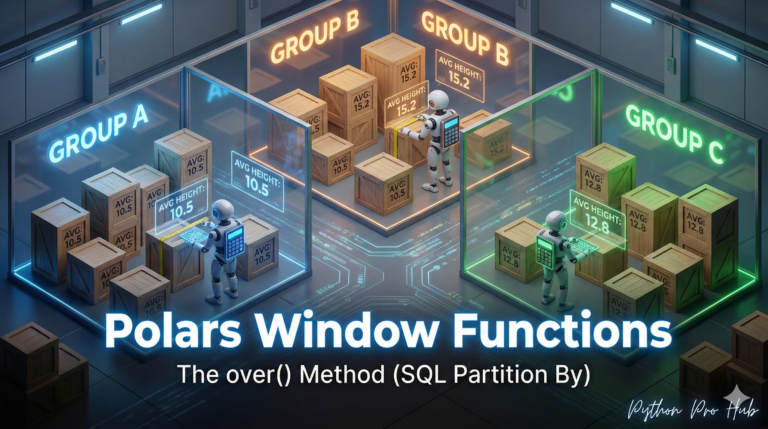
We’ve used groupby().agg(), which collapses your data (e.g., 100 rows become 3 rows). In contrast, Polars window functions allow you to compute calculations across groups…

We’ve used tokenizers to prepare data for AI models. But how do they work? If you’re interested in a deeper understanding, we’ll explore how Hugging…