
How to Fix: TypeError: Object of type … is not JSON serializable
If you’ve ever seen a TypeError JSON serializable message, so you only know that The JSON format is very strict and only understands: If you…
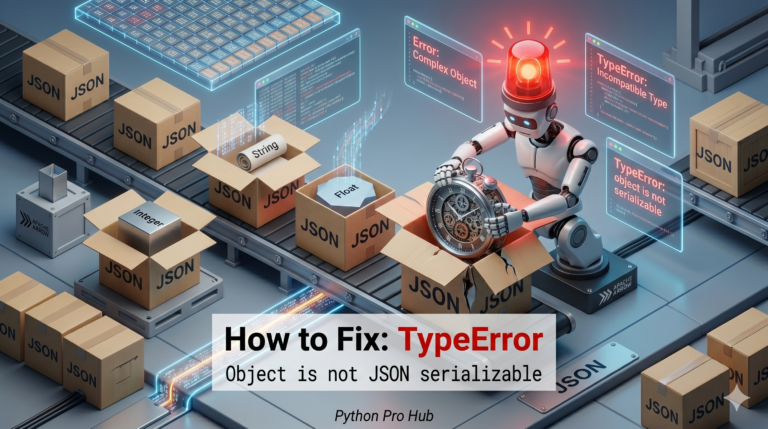
If you’ve ever seen a TypeError JSON serializable message, so you only know that The JSON format is very strict and only understands: If you…

You tried to parse some JSON data (usually from an API or a file), but Python choked. The error message JSONDecodeError Expecting value can be…
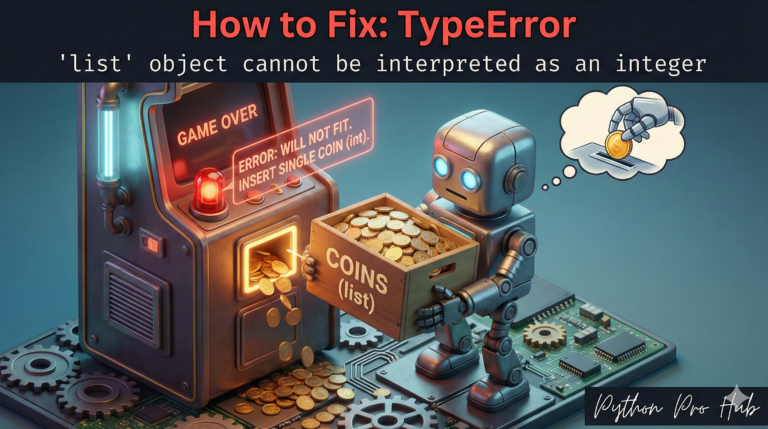
This is TypeError That’s very similar to the ‘str’ object cannot be interpreted as an integer error. When you come across a TypeError list integer…
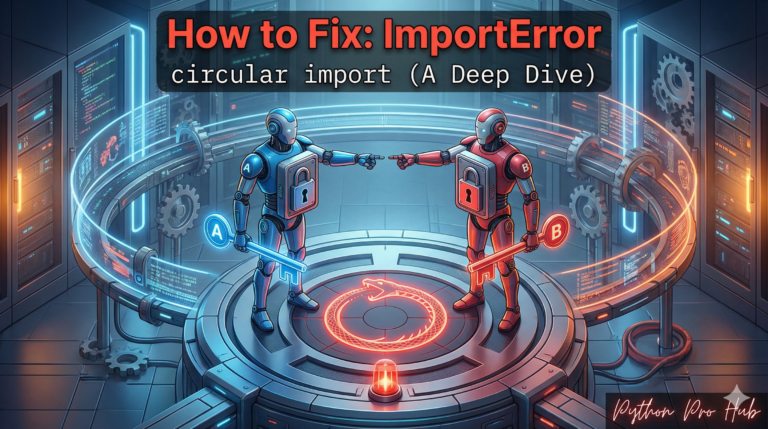
When working on a Python project, developers often encounter a frustrating logic error. You might identify this crash as an ImportError circular import. This specific…
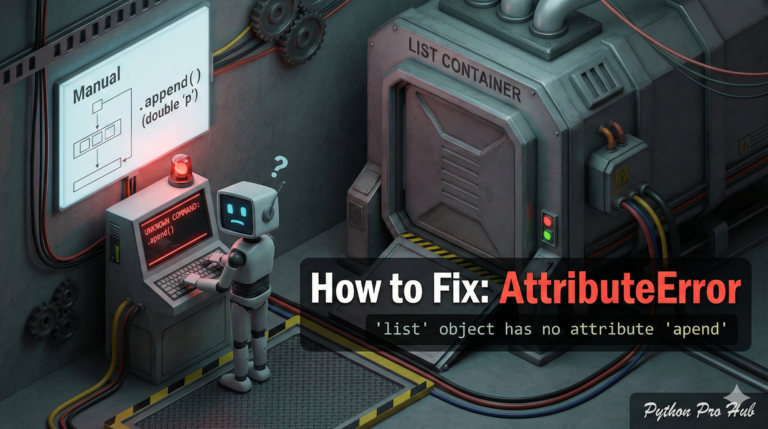
This AttributeError apend is one of the most common (and frustrating) typos for beginners. AttributeError apend means: “You tried to call a method on a…
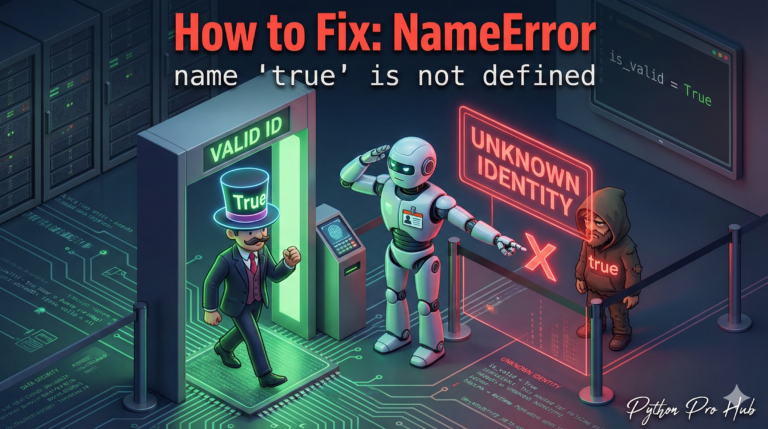
This is a very common NameError for developers coming from other languages like JavaScript, Java, C++, or PHP. The error NameError true not defined often…
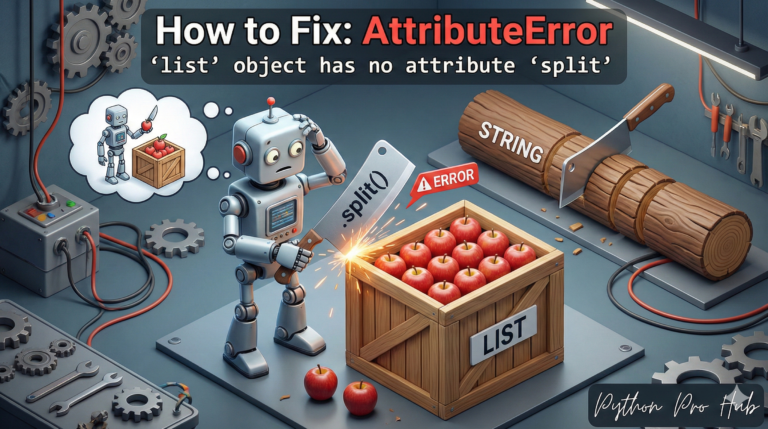
The AttributeError list split issue is a classic “wrong data type” error. It means: “You are trying to use the .split() method on a List,…
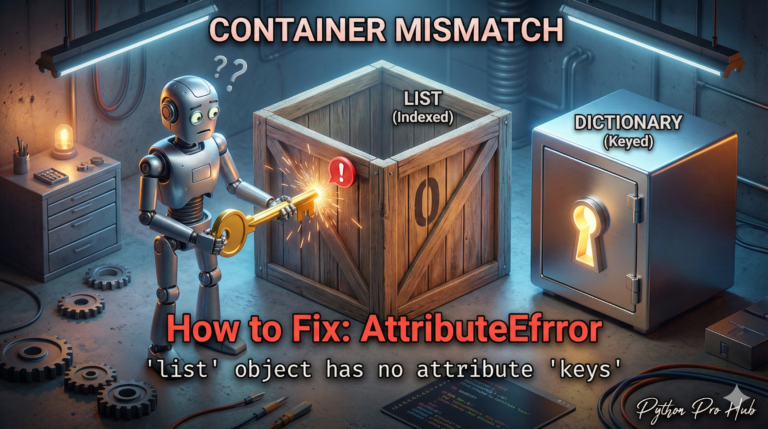
This AttributeError list keys issue is a classic “wrong data type” error. It means: “You are trying to use the .keys() method on a List,…

The AttributeError str decode is a very common error for developers working with web requests or files, especially if they are looking at older (Python…
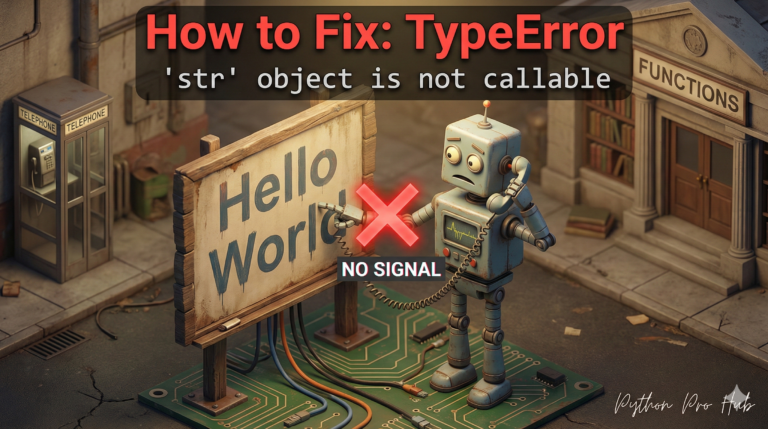
This TypeError str not callableis one of the “classic three” not-callable errors, along with int and list. It means: “You are trying to use a…