
How to Fix: TypeError: method takes 1 positional argument but 2 were given
You called my_object.method(x) and passed one argument. Python counted two. The second argument is the instance itself — Python injected it automatically, and your method…
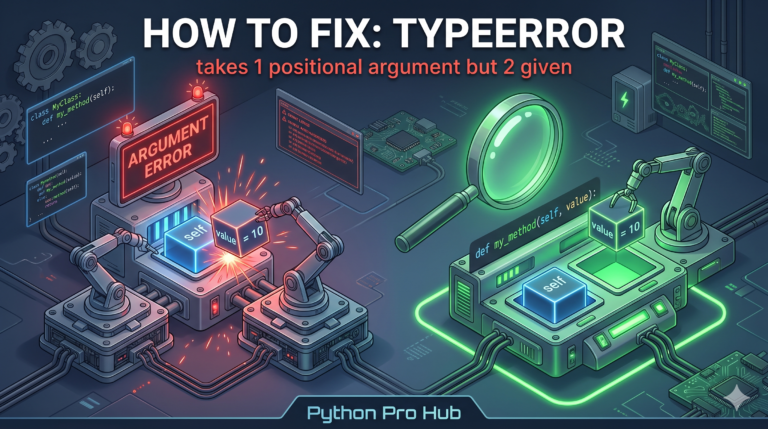
You called my_object.method(x) and passed one argument. Python counted two. The second argument is the instance itself — Python injected it automatically, and your method…
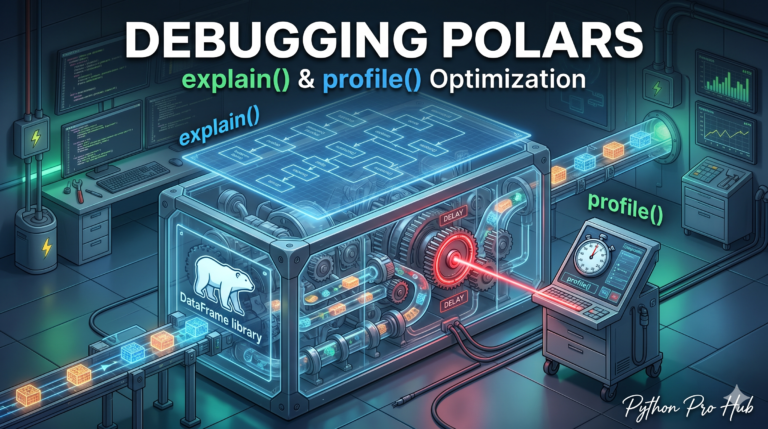
Polars is fast because it has an “Optimizer” (like a SQL database) that rewrites your code before running it. But sometimes, queries are still slow….
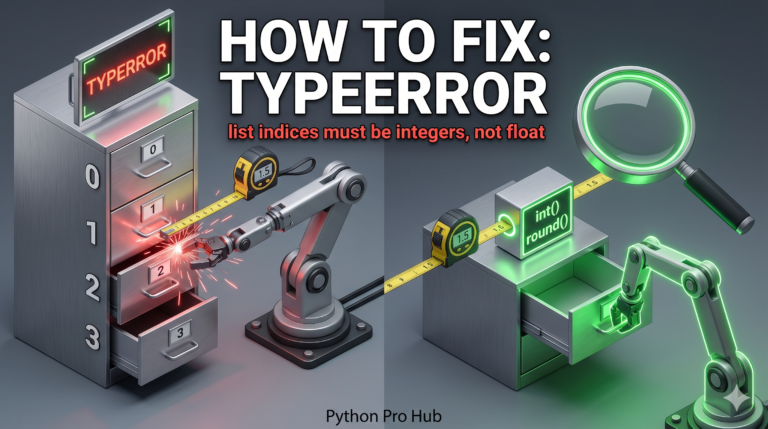
This is a very common error when doing math to find an item in a list. The TypeError list indices float issue usually occurs when…
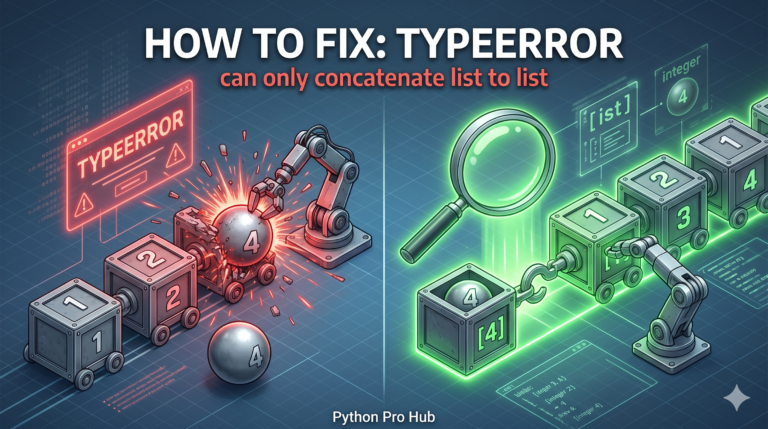
This error happens when you try to add an item to a list using the + operator, but the item isn’t a list itself. This…
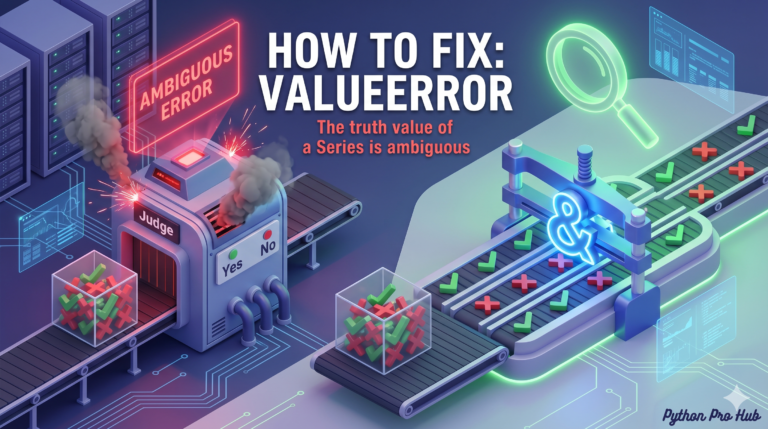
The infamous ValueError truth value Series message is the #1 error you will face when moving from standard Python to Data Science (Pandas or Polars)….
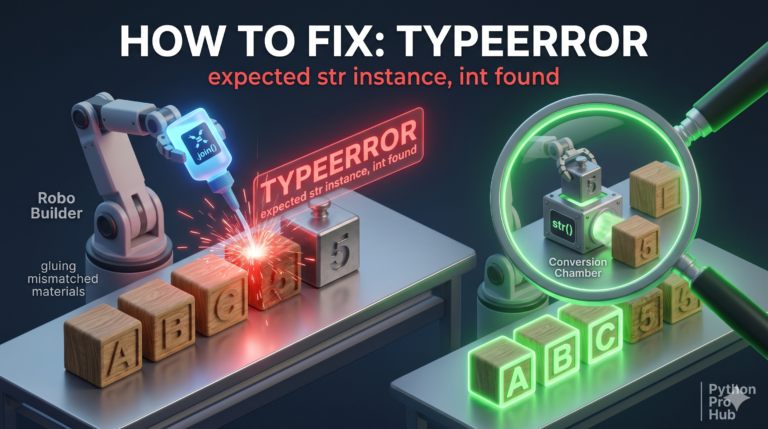
If you’ve encountered the TypeError sequence item expected str, you’re not alone. This error happens almost exclusively when using the .join() method. The .join() method…
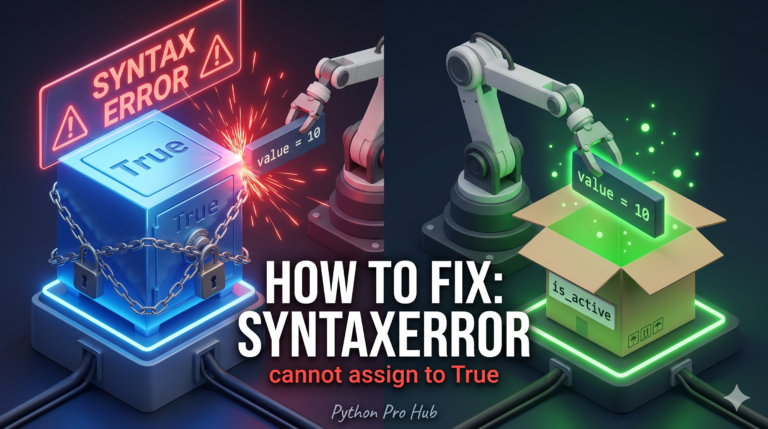
This error SyntaxError cannot assign to True means you are trying to use a Reserved Keyword as a variable name. In older versions of Python…
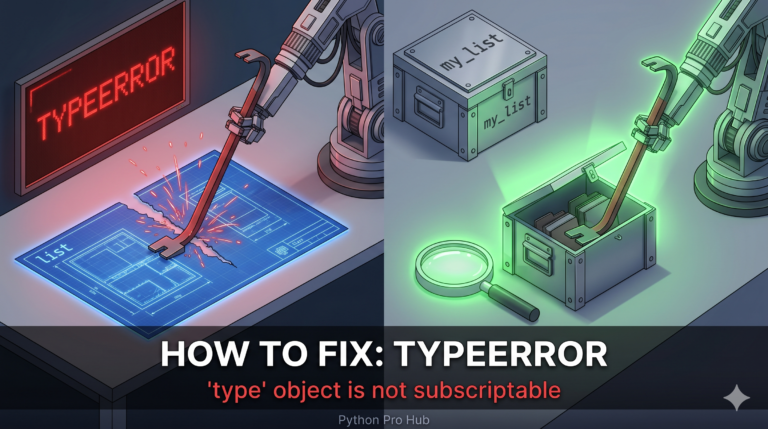
This TypeError type object not subscriptable is common if you are learning modern Python but running code on an older server or Environment (like Python…
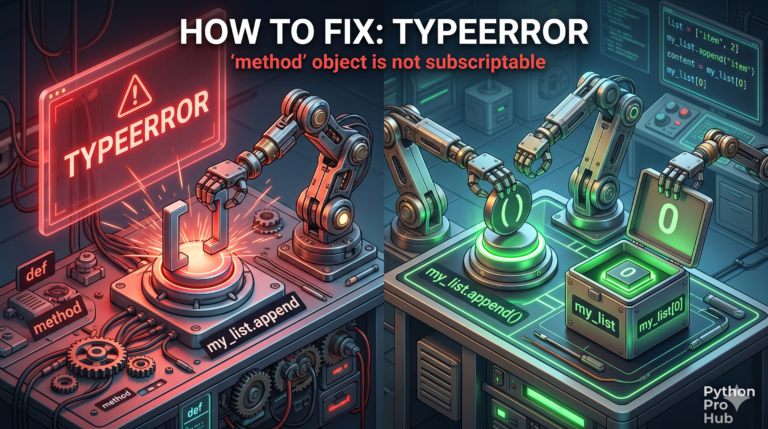
This TypeError method not subscriptable is very similar to the AttributeError we saw with APIs. It means: “You are trying to slice [] a function…
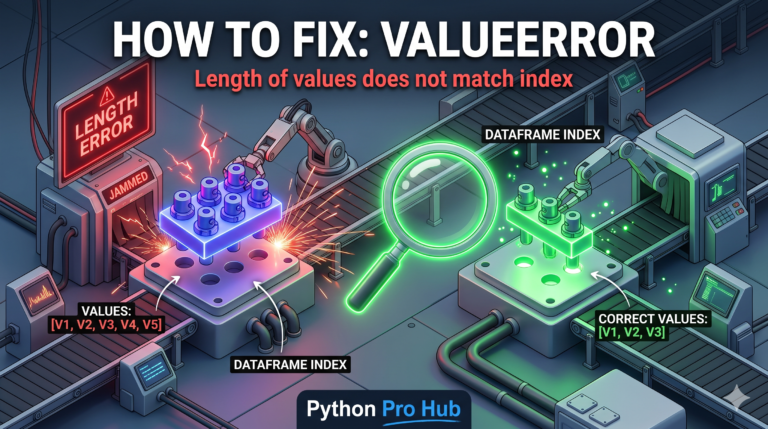
This ValueError length of values is the #1 error beginners face when manipulating Pandas DataFrames. It means: “You have a DataFrame with 10 rows, but…