
Debugging Polars: Using explain() and profile() to Optimize Queries
Polars is fast because it has an “Optimizer” (like a SQL database) that rewrites your code before running it. But sometimes, queries are still slow….
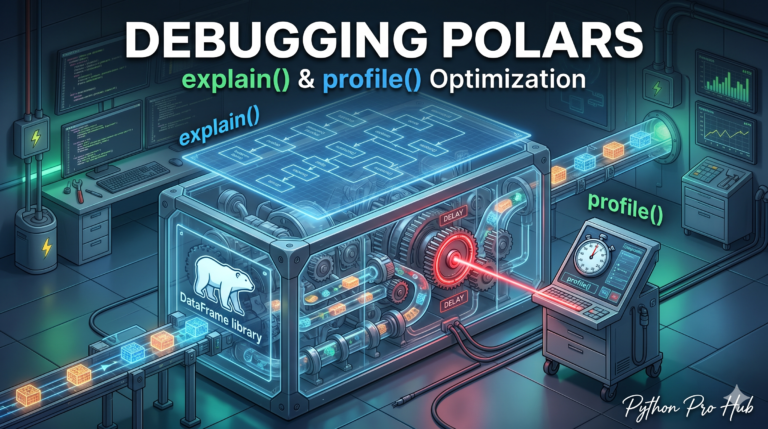
Polars is fast because it has an “Optimizer” (like a SQL database) that rewrites your code before running it. But sometimes, queries are still slow….

You know left and inner joins. But the secret weapons of SQL pros are the Anti-Join and Semi-Join. Polars supports these natively, and they are…

In standard data (SQL), you join on exact matches (ID = ID). In time-series data (Finance, IoT), timestamps rarely match exactly, which is where Polars…
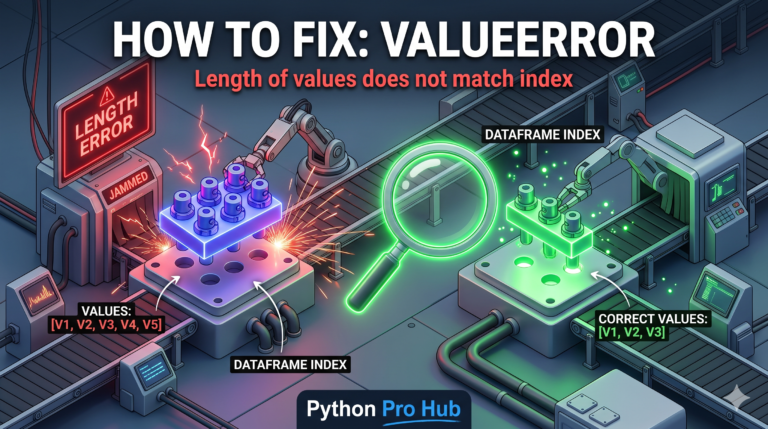
This ValueError length of values is the #1 error beginners face when manipulating Pandas DataFrames. It means: “You have a DataFrame with 10 rows, but…

In Polars, standard aggregations (sum, mean) work vertically (down a column). But what if you want to sum across columns? For this, the Polars fold…
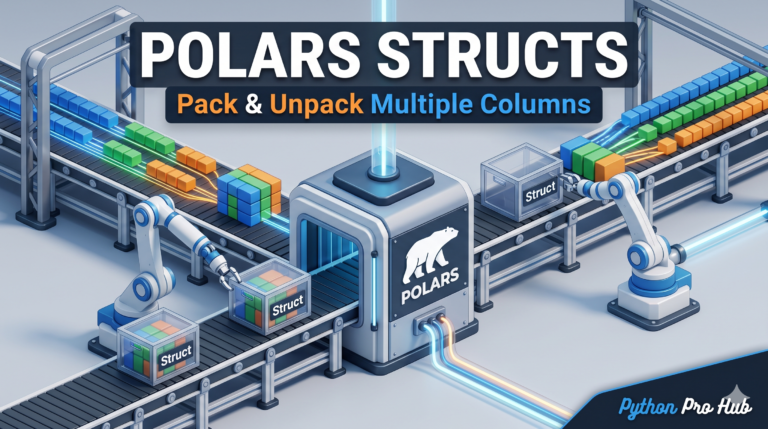
In Pandas, you are stuck with flat columns. In Polars, you can put columns inside other columns. This is called a Struct (structure). It’s like…
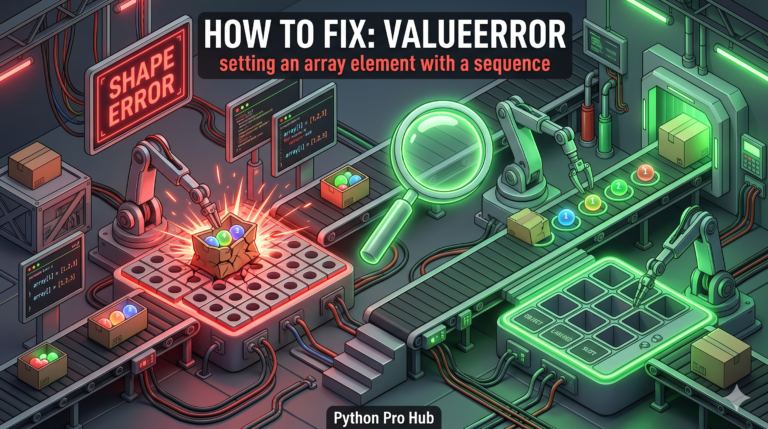
This is a classic NumPy error. One common example is the ValueError setting array element that often occurs when working with arrays of different shapes….

As you become an expert in Polars, you will inevitably find yourself reusing the same complex expressions. Fortunately, one highly effective way to avoid endless…
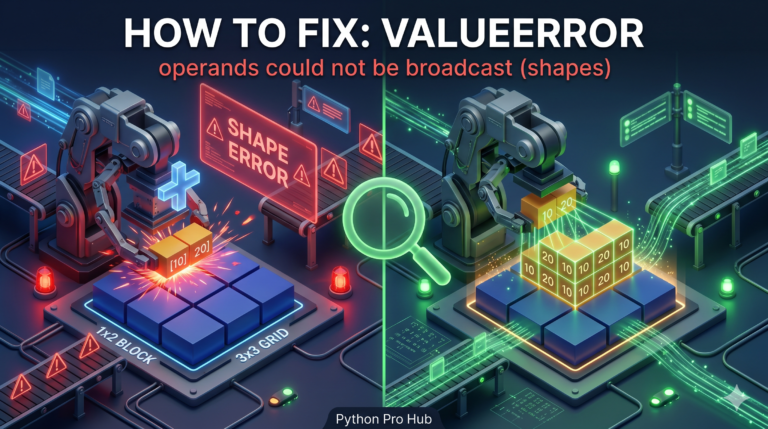
This is the “Hello World” error of Data Science. One of the most common examples you might encounter is the infamous ValueError broadcast shapes. It…

Polars is fast by default. But you can make it slower if you write “Pandas-style” code. Here are the top 3 optimisations for Polars Performance…