
How to Fix: TypeError: object of type ‘int’ has no len()
The len() function returns the length (number of items) of a container (like a list, string, or dictionary). If you try to use it on…
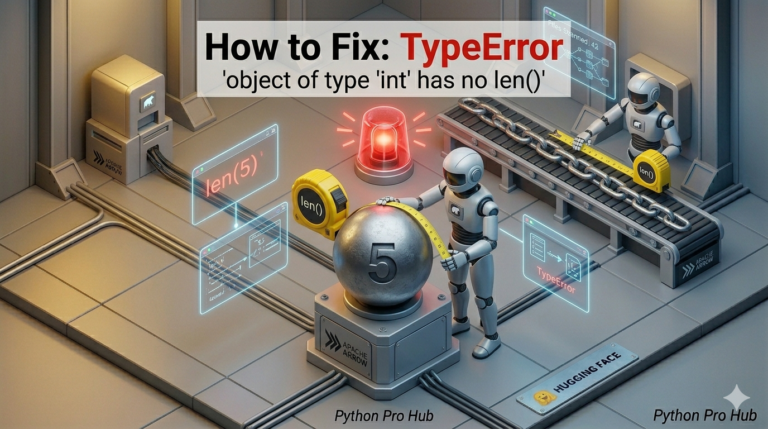
The len() function returns the length (number of items) of a container (like a list, string, or dictionary). If you try to use it on…
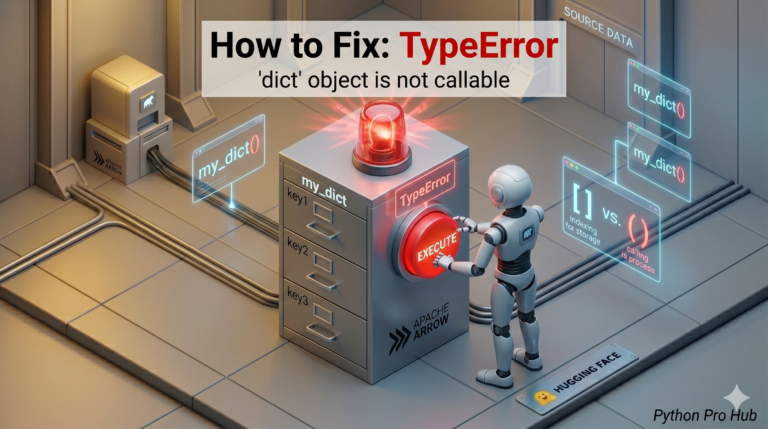
Beginners often encounter the TypeError dict not callable message when coding, which usually happens when confusing the syntax for functions and data structures. It means:…

This is the opposite of the not enough values to unpack error we covered earlier. In this post, we’ll look at the “ValueError too many…
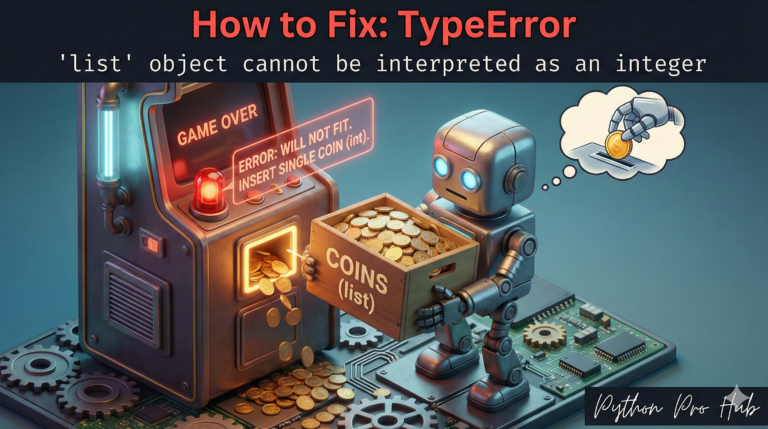
This is TypeError That’s very similar to the ‘str’ object cannot be interpreted as an integer error. When you come across a TypeError list integer…
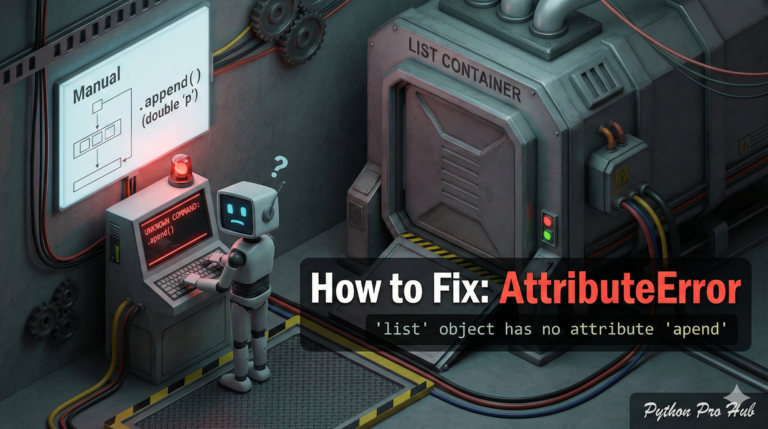
This AttributeError apend is one of the most common (and frustrating) typos for beginners. AttributeError apend means: “You tried to call a method on a…
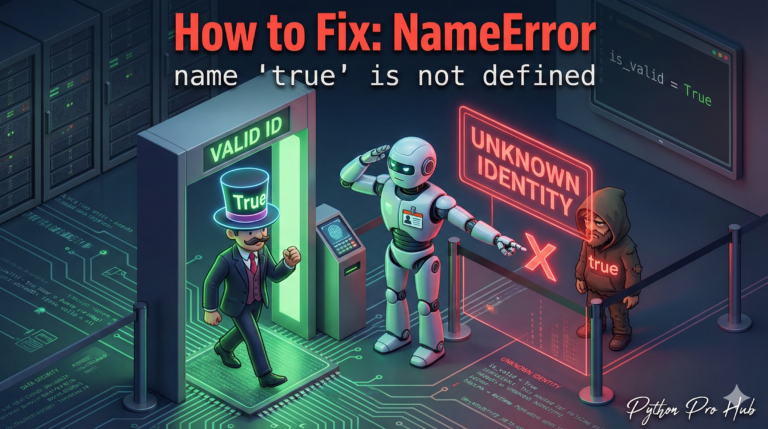
This is a very common NameError for developers coming from other languages like JavaScript, Java, C++, or PHP. The error NameError true not defined often…
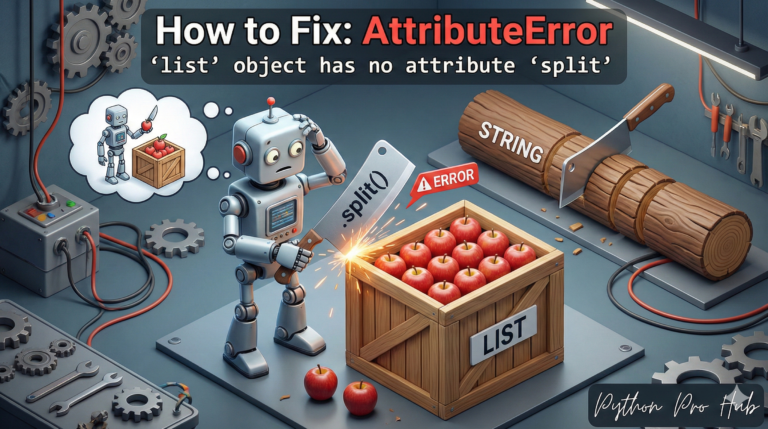
The AttributeError list split issue is a classic “wrong data type” error. It means: “You are trying to use the .split() method on a List,…
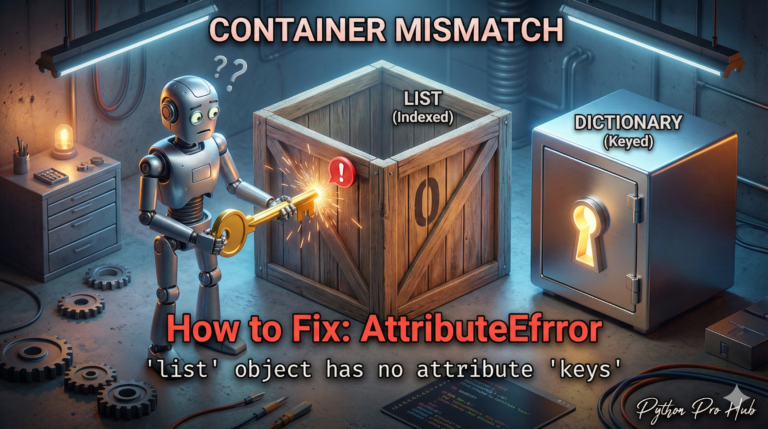
This AttributeError list keys issue is a classic “wrong data type” error. It means: “You are trying to use the .keys() method on a List,…
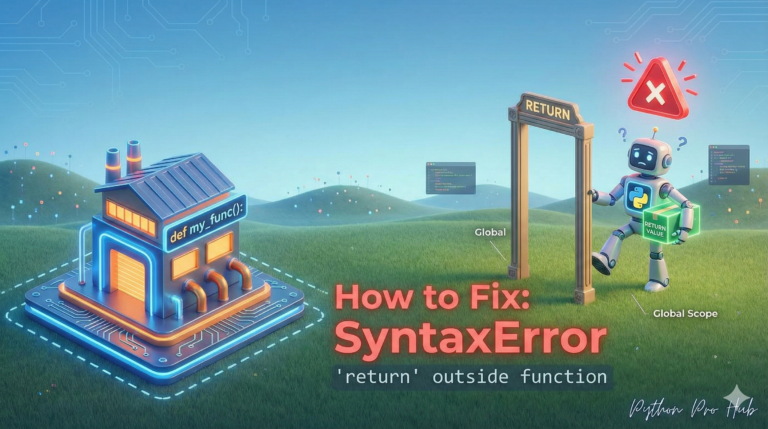
This SyntaxError return outside function is SyntaxError that means you’ve misunderstood the purpose of the return keyword. The error message is very literal: You used…

This is a fundamental AttributeError that means: “You are trying to use a method (like .append() or .lower()) on a simple decimal number (a float).”…