
How to Fix: AttributeError: ‘list’ object has no attribute ‘apend’ (Method Typos)
This AttributeError apend is one of the most common (and frustrating) typos for beginners. AttributeError apend means: “You tried to call a method on a…
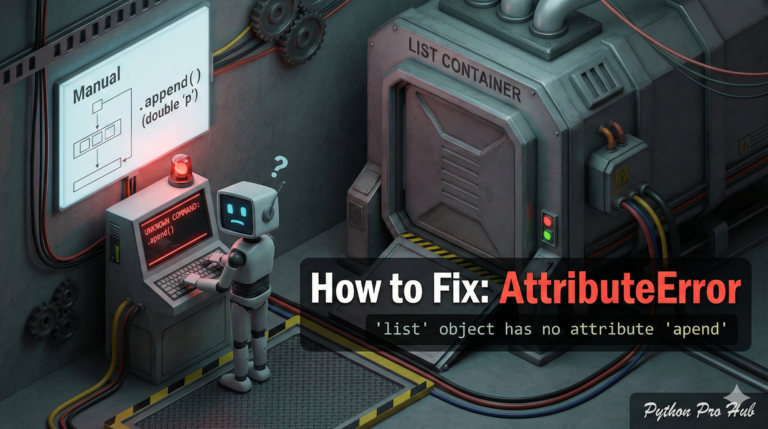
This AttributeError apend is one of the most common (and frustrating) typos for beginners. AttributeError apend means: “You tried to call a method on a…
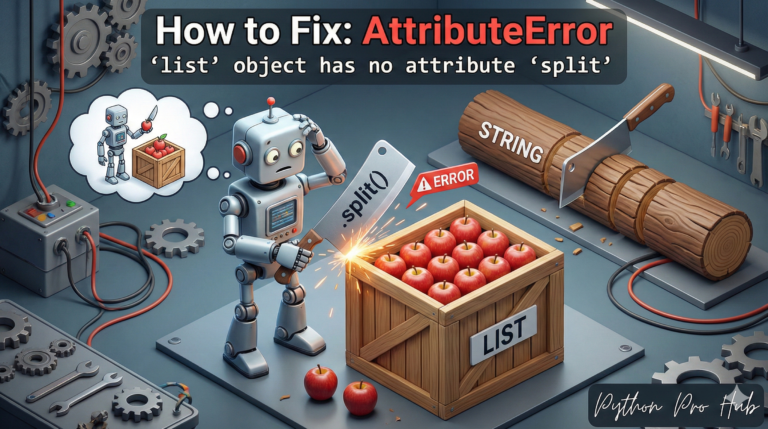
The AttributeError list split issue is a classic “wrong data type” error. It means: “You are trying to use the .split() method on a List,…
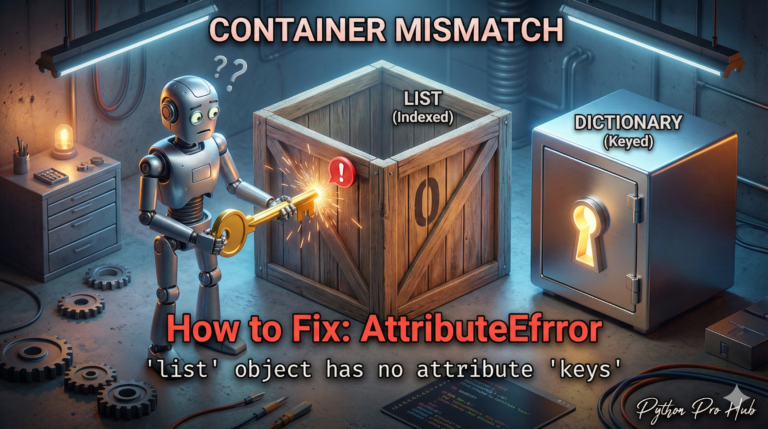
This AttributeError list keys issue is a classic “wrong data type” error. It means: “You are trying to use the .keys() method on a List,…
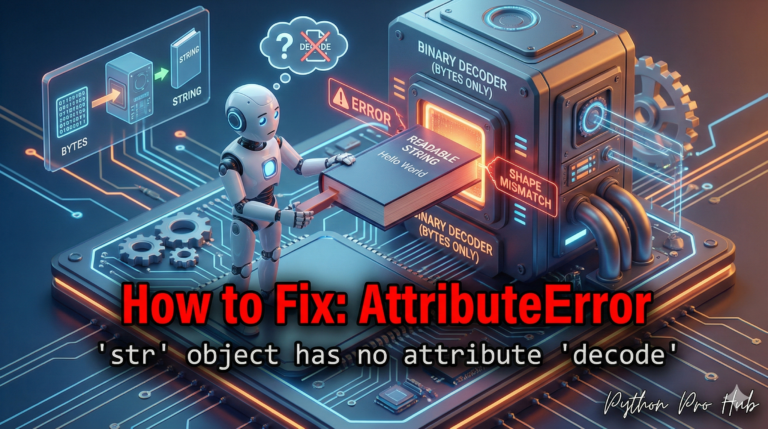
The AttributeError str decode is a very common error for developers working with web requests or files, especially if they are looking at older (Python…
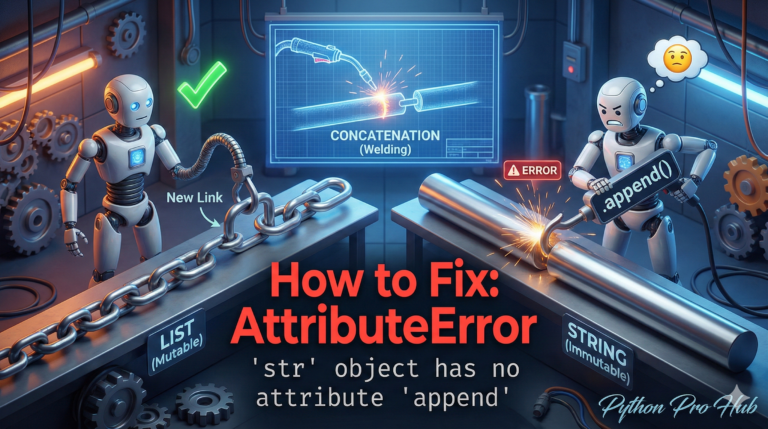
This error is a classic beginner mistake that comes from confusing Lists with Strings. In Python, trying to use append on a str will result…

This is a fundamental AttributeError that means: “You are trying to use a method (like .append() or .lower()) on a simple decimal number (a float).”…

The AttributeError str join is a message you’ll often see in Python programming. This error is a simple but common typo. AttributeError: ‘str’ object has…
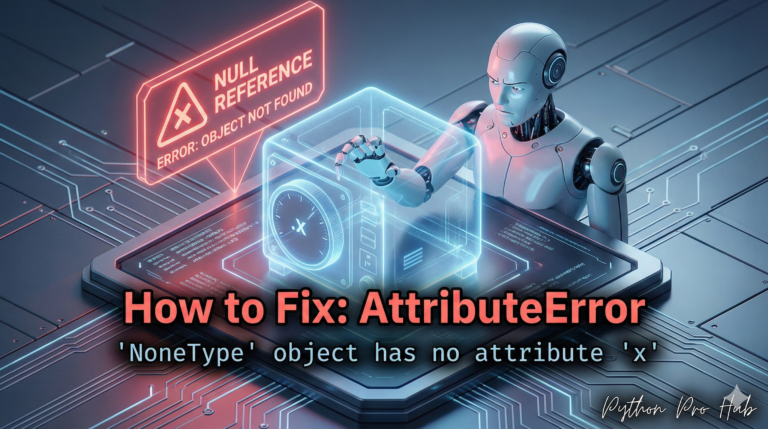
This is, without a doubt, the most common error in Python, and it’s frequently seen as an AttributeError NoneType issue. It means: You are trying…

This AttributeError NoneType append is a classic combination of two common problems: a NoneType error and a List method error. It means: You are trying…

This is a fundamental AttributeError that means: “You are trying to use a method (like .append() or .lower()) on a simple number (an integer).” This…