
AI Project: Depth Estimation with Hugging Face (Seeing in 3D)
We’ve taught AI to classify objects and segment pixels. Now, let’s explore Hugging Face Depth Estimation and teach AI to understand distance. Depth Estimation models…
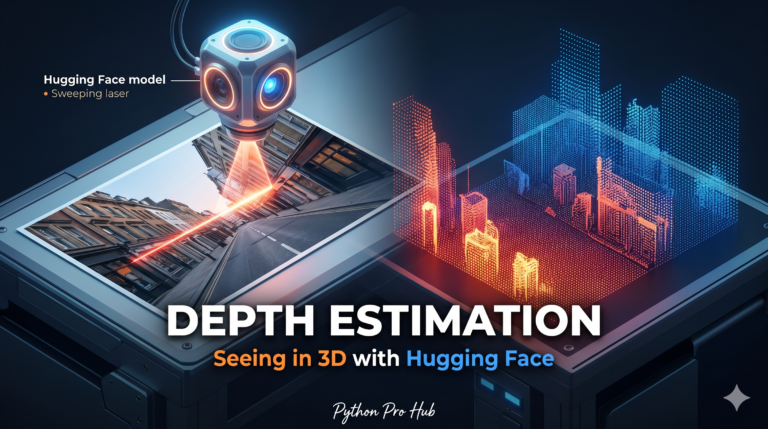
We’ve taught AI to classify objects and segment pixels. Now, let’s explore Hugging Face Depth Estimation and teach AI to understand distance. Depth Estimation models…
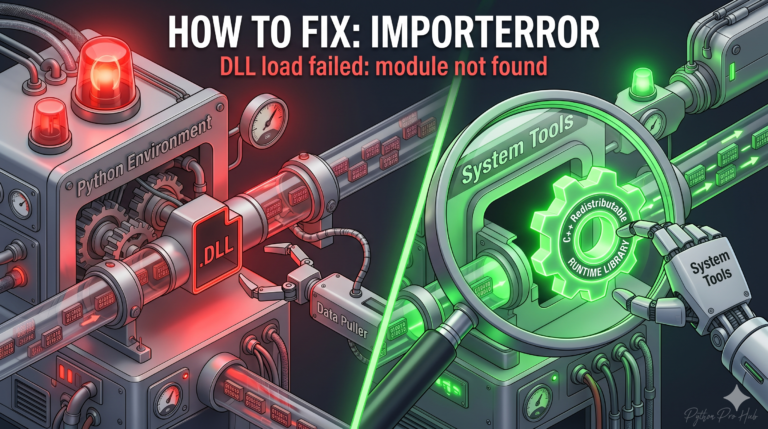
Every Windows-based Python developer dreads encountering the notorious ImportError: DLL load failed. If you have struggled with an ImportError DLL load failed, you’re not alone….

In Data Engineering, you rarely just “write” files. You usually have a master dataset (e.g., “All Users”), and every day you get a “Daily Update”…

Latency is currently the biggest bottleneck in AI. Waiting for an answer often breaks the creative flow. Fortunately, Groq offers a powerful solution. If you’re…
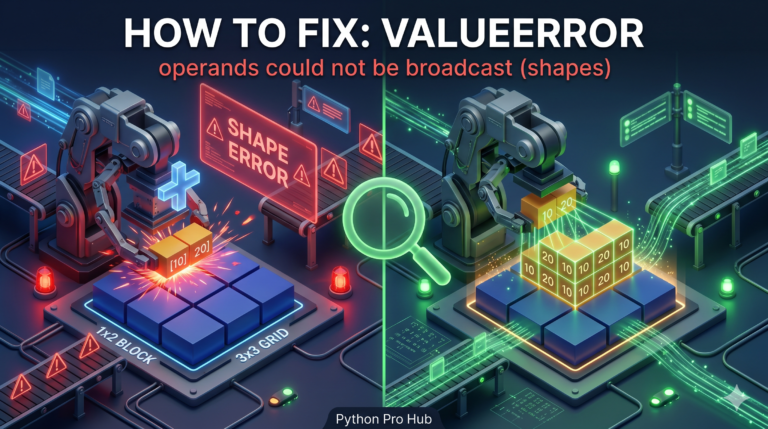
This is the “Hello World” error of Data Science. One of the most common examples you might encounter is the infamous ValueError broadcast shapes. It…

If you try to plot 10 million points with Matplotlib or Seaborn, your computer will freeze. It tries to draw 10 million individual circles, which…

We’ve done Object Detection with Hugging Face, but that ran on a server model. If you want to try using YOLOv8 Python for computer vision…
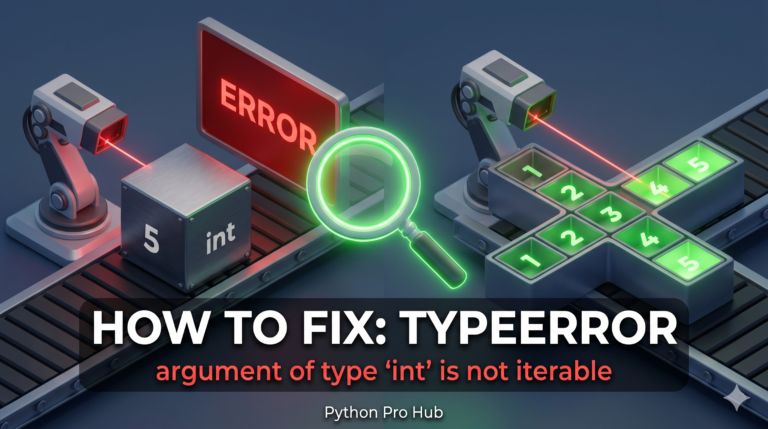
This error looks similar to loop errors, but it targets a specific mistake — using the in operator against a plain number. The TypeError: argument…

We’ve used Parquet files because they are fast. But what if you write to a Parquet file while someone else is reading it? The file…

Cloud APIs like ChatGPT are powerful, but they cost money and send your data to a server. the “2026 Vision” is Edge AI: running powerful…