
How to Fix: TypeError: ‘str’ object is not callable (II) in Python
This TypeError str not callableis one of the “classic three” not-callable errors, along with int and list. It means: “You are trying to use a…
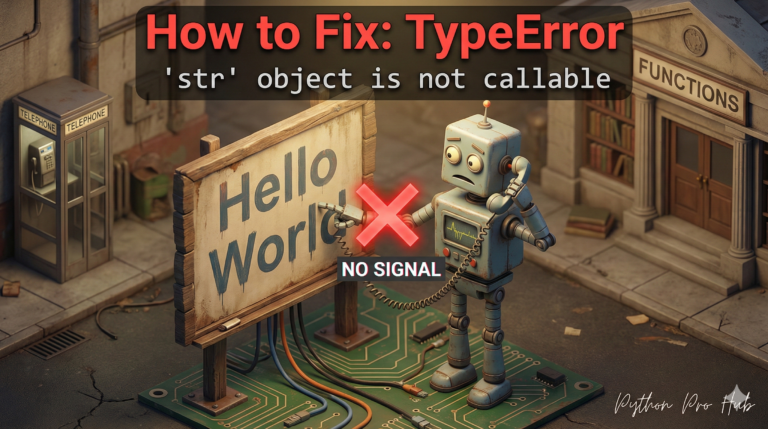
This TypeError str not callableis one of the “classic three” not-callable errors, along with int and list. It means: “You are trying to use a…
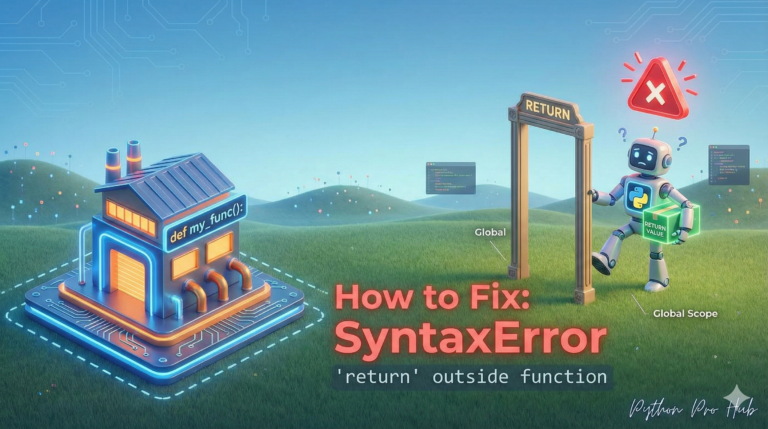
This SyntaxError return outside function is SyntaxError that means you’ve misunderstood the purpose of the return keyword. The error message is very literal: You used…
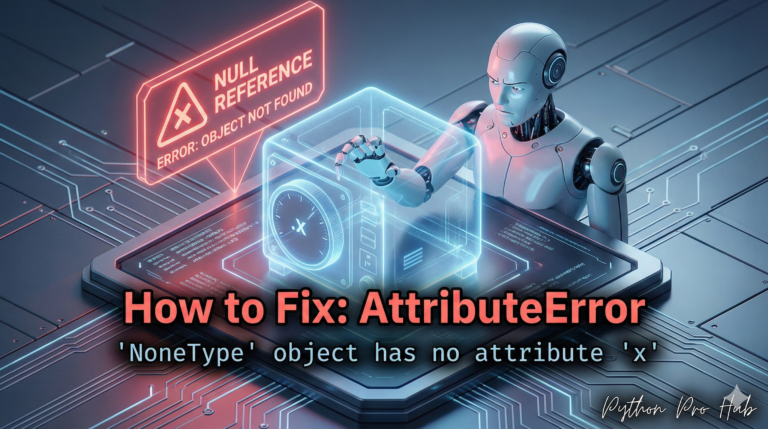
This is, without a doubt, the most common error in Python, and it’s frequently seen as an AttributeError NoneType issue. It means: You are trying…

This AttributeError NoneType append is a classic combination of two common problems: a NoneType error and a List method error. It means: You are trying…
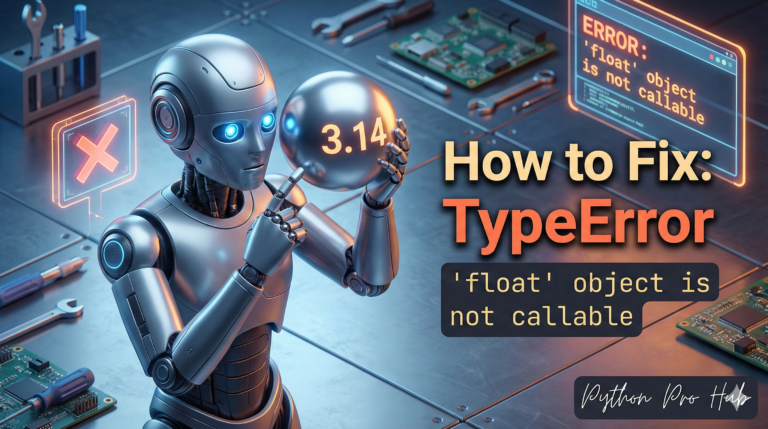
This error is a direct cousin to TypeError: ‘int’ object is not callable. The TypeError float not callable message means: “You are trying to use…
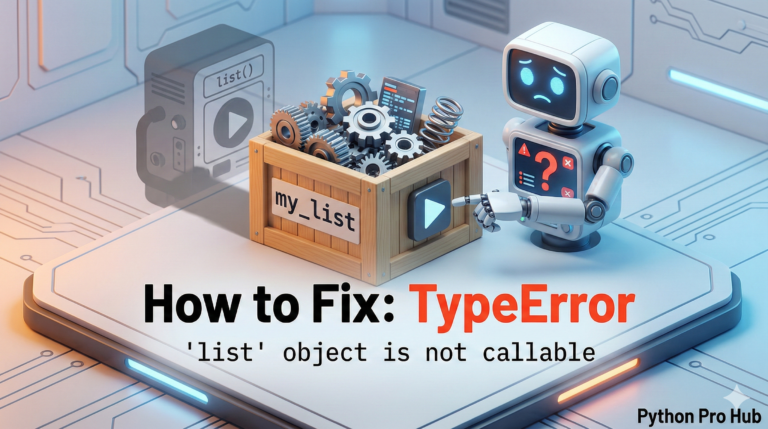
This TypeError list not callable means: “You are trying to use a list as if it were a function.” A “callable” is anything you can…
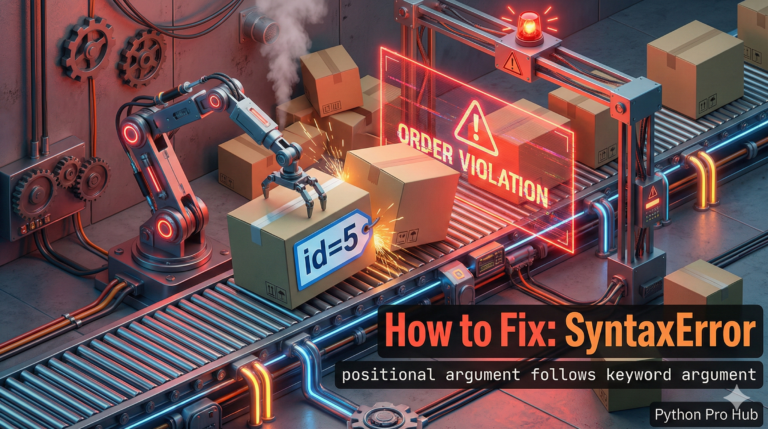
This SyntaxError positional argument is a simple but strict rule about how you call functions in Python. The Rule: You can pass arguments in two…

This is the most famous “gotcha” in all of Python: the Mutable Default Argument bug. It’s a bug that confuses every developer exactly once. Look…
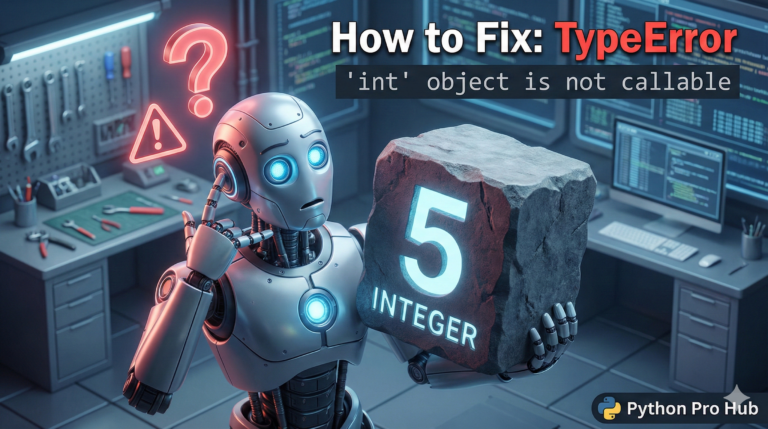
This error is very similar to 'str' object is not callable. One common error in Python is the TypeError int not callable, which means: “You…
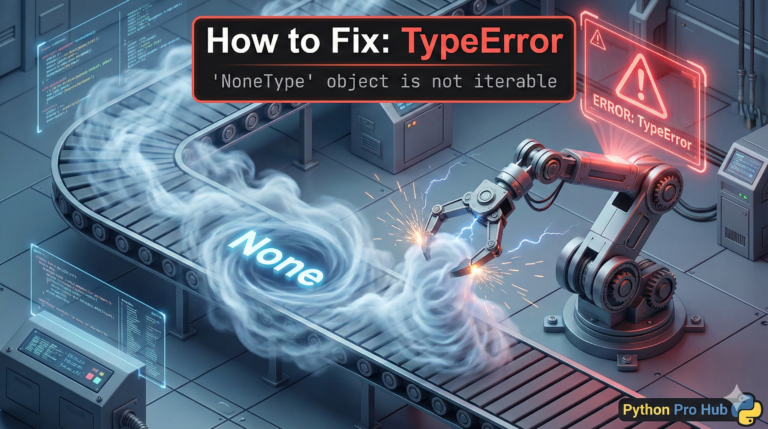
This error is simple: you tried to use a for loop on a variable, but that variable was None. In Python, this will raise a…