
Polars Structs: How to Pack and Unpack Multiple Columns
In Pandas, you are stuck with flat columns. In Polars, you can put columns inside other columns. This is called a Struct (structure). It’s like…
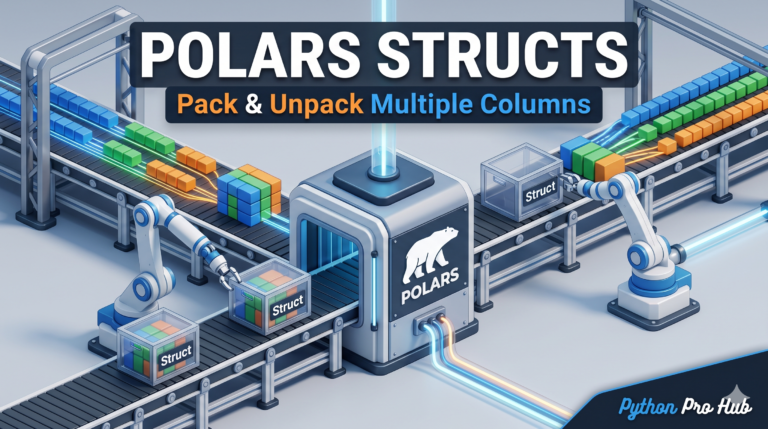
In Pandas, you are stuck with flat columns. In Polars, you can put columns inside other columns. This is called a Struct (structure). It’s like…
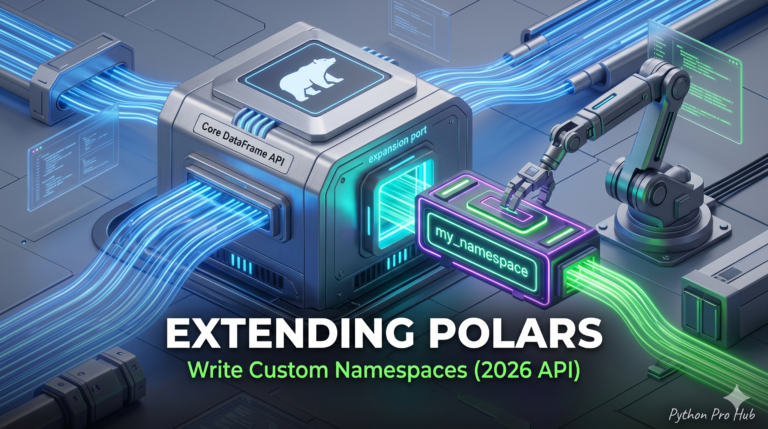
As you become an expert in Polars, you will inevitably find yourself reusing the same complex expressions. Fortunately, one highly effective way to avoid endless…

Latency is currently the biggest bottleneck in AI. Waiting for an answer often breaks the creative flow. Fortunately, Groq offers a powerful solution. If you’re…
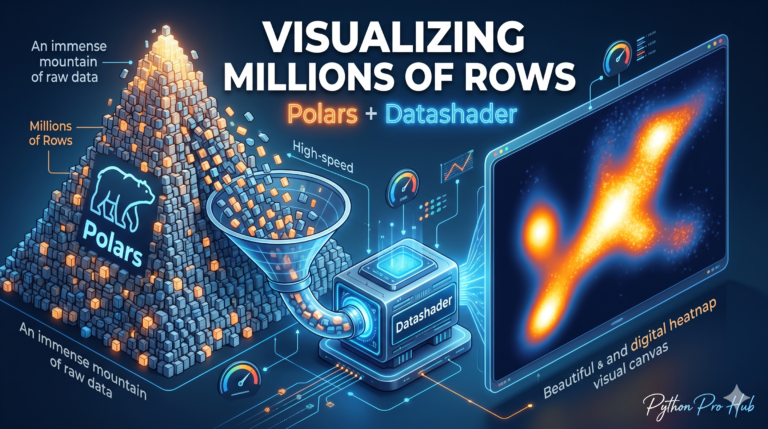
If you try to plot 10 million points with Matplotlib or Seaborn, your computer will freeze. It tries to draw 10 million individual circles, which…

We’ve done Object Detection with Hugging Face, but that ran on a server model. If you want to try using YOLOv8 Python for computer vision…
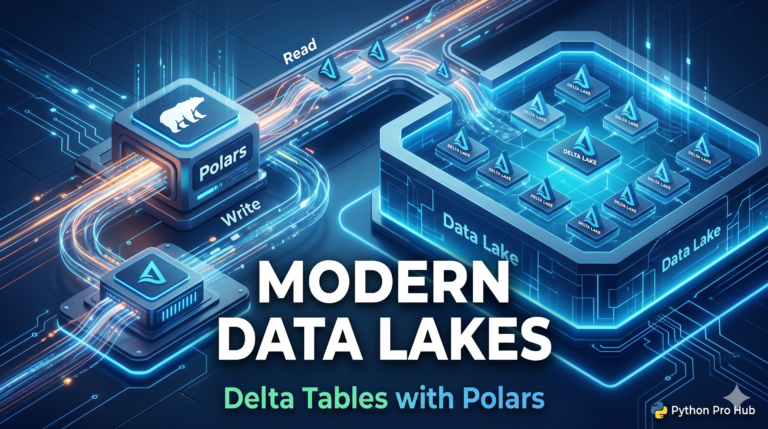
We’ve used Parquet files because they are fast. But what if you write to a Parquet file while someone else is reading it? The file…

Cloud APIs like ChatGPT are powerful, but they cost money and send your data to a server. the “2026 Vision” is Edge AI: running powerful…
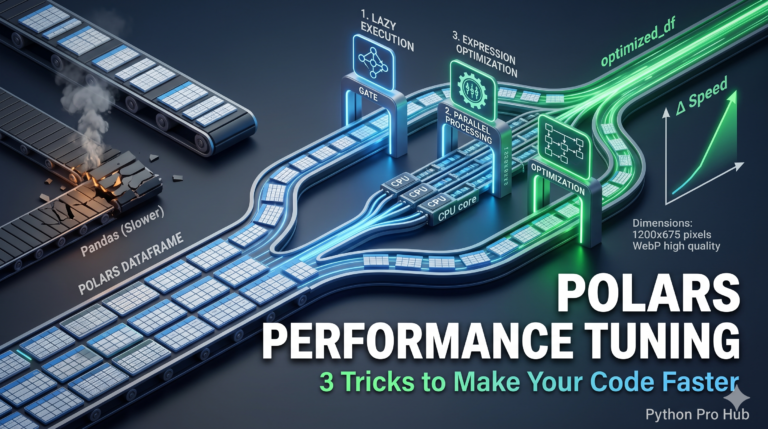
Polars is fast by default. But you can make it slower if you write “Pandas-style” code. Here are the top 3 optimisations for Polars Performance…

We’ve generated audio and transcribed files. Now, let’s do it live with a Python Voice Assistant. We will build a script that: Step 1: Installation…
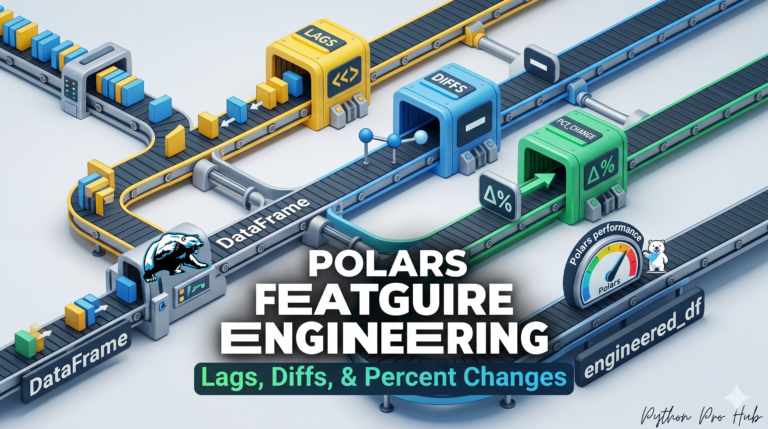
If you are training a Machine Learning model to predict stock prices or sales, you can’t just feed it “Today’s Price.” You need to feed…