
How to Fix: TypeError: unsupported operand type(s) for +: ‘int’ and ‘str’
This error is the opposite of the common string concatenation error. It means you tried to do math (+), but one of your items was…
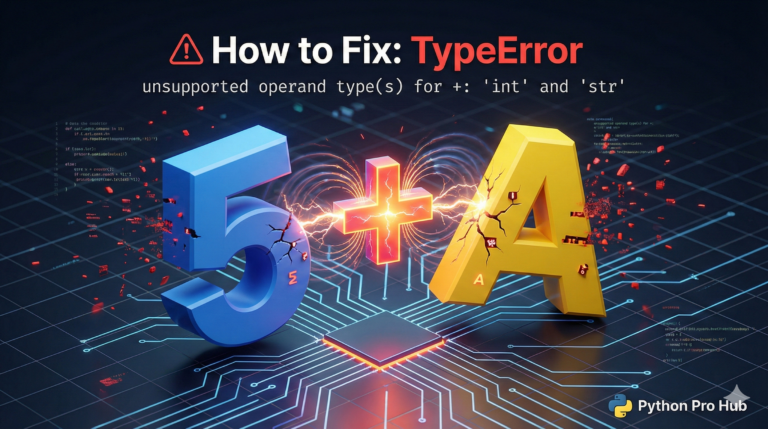
This error is the opposite of the common string concatenation error. It means you tried to do math (+), but one of your items was…
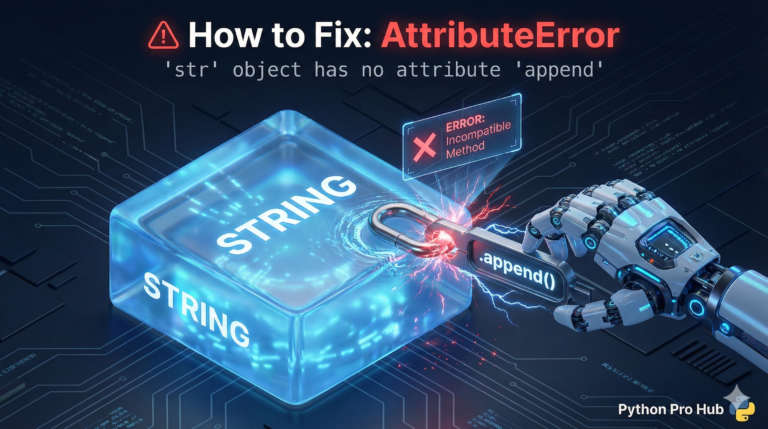
This is the twin error to AttributeError: 'list' object has no attribute ‘x’. The AttributeError str object means you are trying to use a method…

This error means a function is calling itself over and over again, in an infinite loop, until it hits a safety limit set by Python…

This error happens when you use tuple unpacking (assigning multiple variables at once) but the number of variables on the left doesn’t match the number…
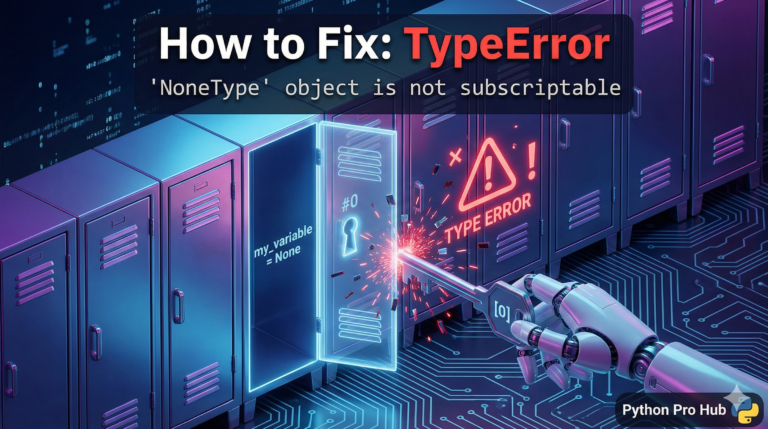
This error is a close cousin to AttributeError: 'NoneType', In Python, the error message NoneType object is not subscriptable usually appears if you try to…

In Python, everything is an object. One of the most common concepts you’ll encounter is Mutable vs Immutable Python. But some objects can change (Mutable),…

This is a classic misunderstanding of how Python lists work compared to arrays in other languages. One common error is the IndexError list assignment issue,…
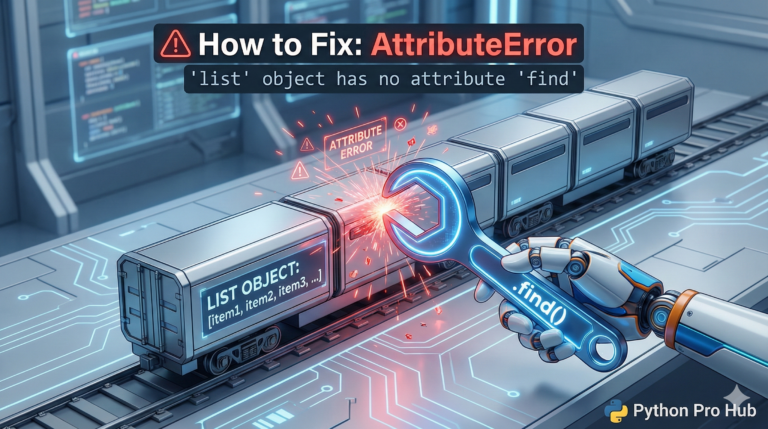
This AttributeError: ‘list’ object has no attribute ‘x’ means you are trying to use a specialized method (like a Pandas or Numpy feature) on a…
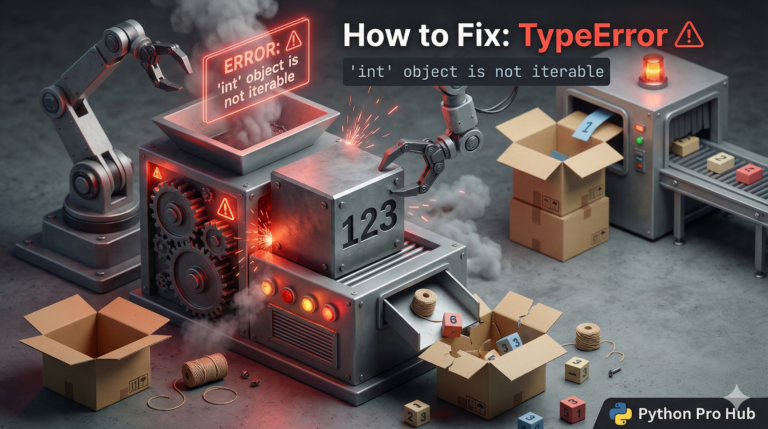
“Iterable” means “capable of being returned one at a time”. Lists, strings, and ranges are iterable. A single number (integer) is not, which is why…
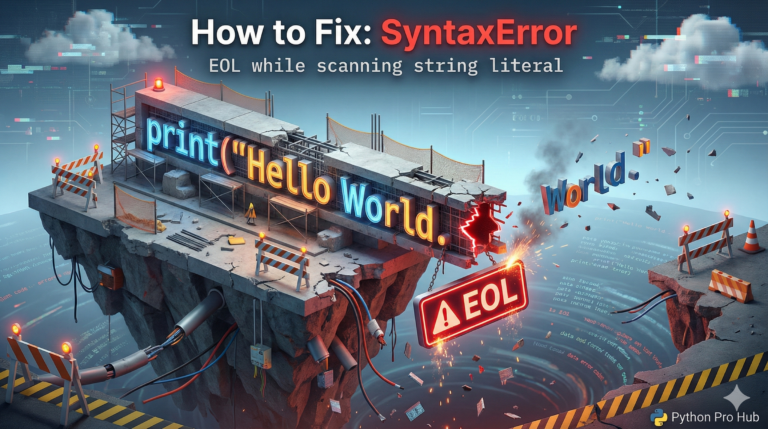
EOL stands for “End of Line”. The SyntaxError EOL indicates an error where “Python reached the end of the line, but you were still in…