
Time-Series in Polars: group_by_dynamic Explained
One of the most common tasks in data analysis is “resampling” time data. For example, turning a list of daily sales into “Total Monthly Sales.”…
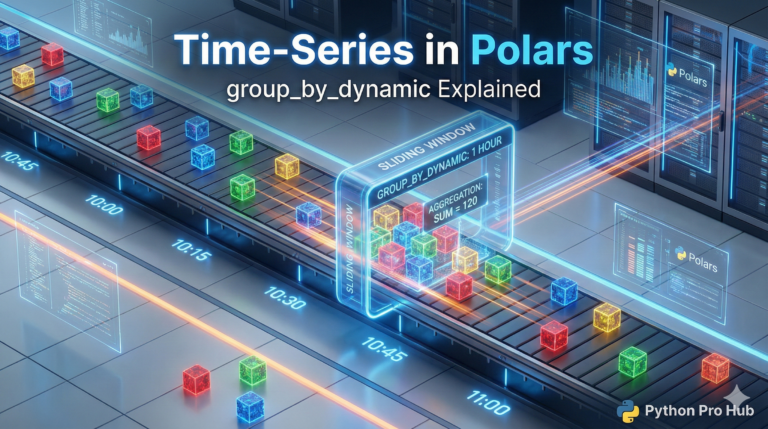
One of the most common tasks in data analysis is “resampling” time data. For example, turning a list of daily sales into “Total Monthly Sales.”…

We’ve done single-label classification (e.g., “POSITIVE” or “NEGATIVE”). But what if a text can be both? A news article could be about “POLITICS” and “FINANCE”….
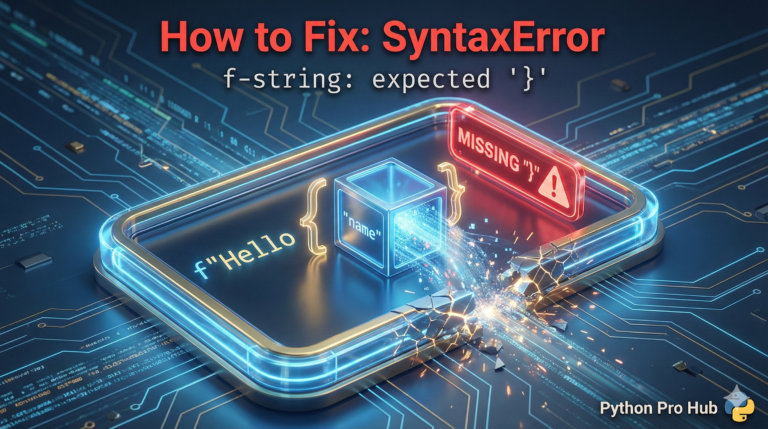
This is a very common error when working with Python’s modern f-strings. In fact, you might frequently encounter the SyntaxError f-string message when writing code….
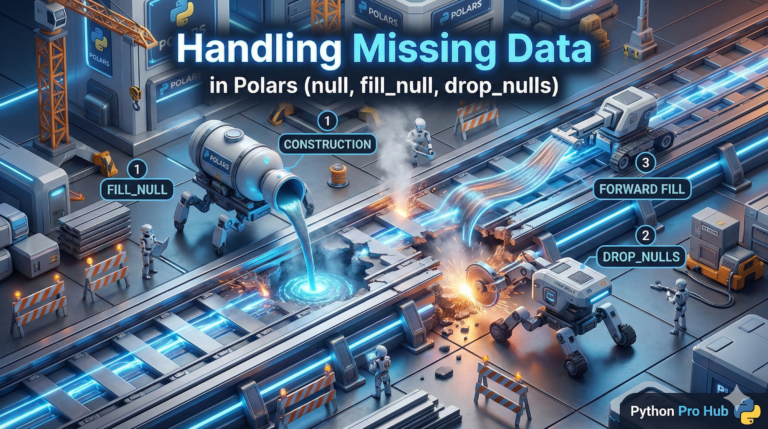
Just like Pandas has NaN, Polars has null to represent missing or empty data. Before you can analyze a dataset, you must have a strategy…

In our last security guide, we used LoginRequiredMixin to block logged-out users. But this still leaves a security hole: Any logged-in user can edit any…

This TypeError dict_keys error means you are trying to use square brackets [] on a dict_keys object, which isn’t allowed. A dict_keys object is the…

This is the most famous “gotcha” in all of Python: the Mutable Default Argument bug. It’s a bug that confuses every developer exactly once. Look…

You’ve built a full CRUD application and a Login System. But there’s a huge security hole: Anyone can visit /post/5/edit/ and change your posts! To…

This is the twin error to IndentationError: unexpected indent. One of the most common Python issues beginners face is IndentationError expected block. It’s one of…

The most common data analysis task is “Split-Apply-Combine.” When using Polars, the groupby operation is essential for this task. In Polars, this is done with…